Visible pricing
Published editions and fees
AssetaGuard · RFID fixed asset management software
Which room is a computer in, who borrowed a device, and who should check an inventory discrepancy? AssetaGuard brings asset records, RFID inventory, loans and transfers into one workflow for administration, IT and asset teams.
Published editions and fees
Clear SaaS and on-prem boundaries
Buy software independently and assess hardware separately
Validate with real assets and workflows
Four questions for every asset
Use one connected record to answer daily operational questions.
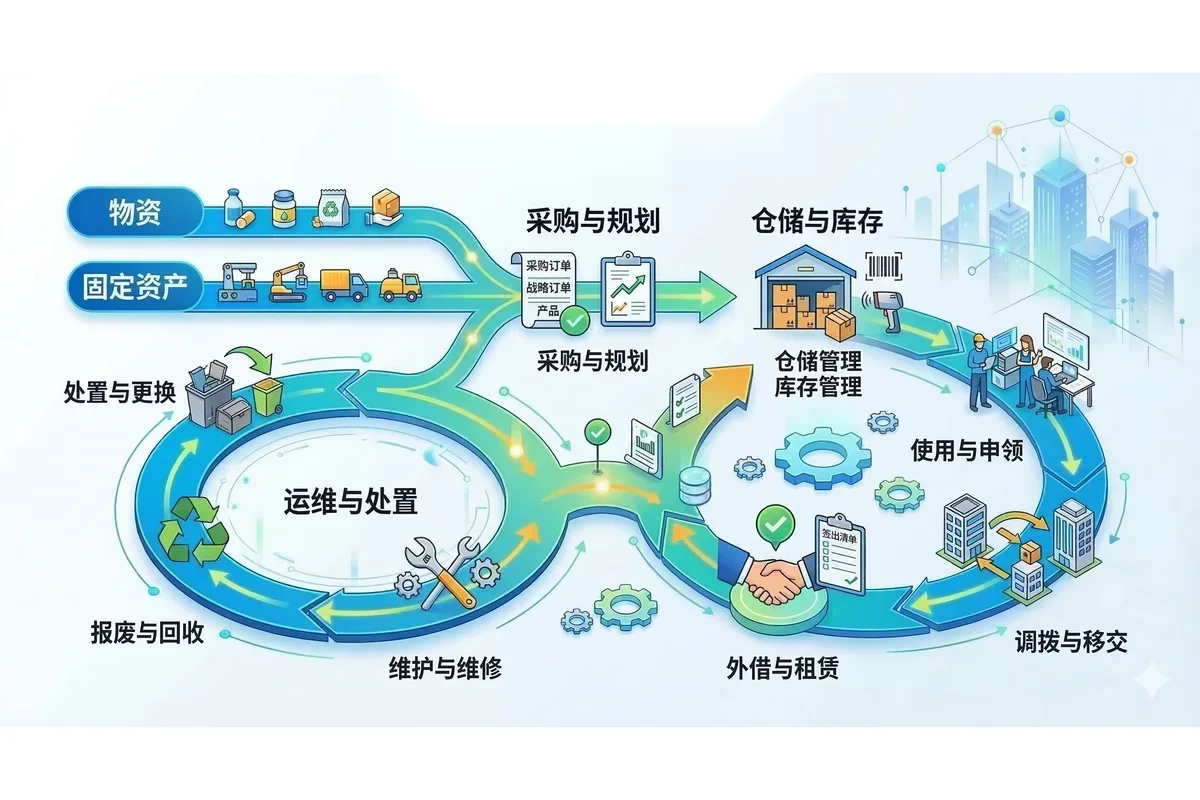
Name, code, tag, and asset attributes
Site, building, room, and last recorded location
Custodian, borrower, approver, and receiver
Borrow, transfer, inventory, maintenance, and disposal history
From unclear to reviewable

Problem
The borrower and return date are unclear
How to handle it
Link the asset, borrower, purpose, and due date at checkout; record the actual return time at check-in.

Problem
After an asset moves, only its current location remains visible; its previous location and handler are unclear.
How to handle it
Record the previous location, destination, operator, transfer reason, and status together to preserve the full movement trail.

Problem
Record differences have no reviewable cause
How to handle it
Save the inventory task and scan result, classify each difference, and record the review conclusion.
ENTERPRISE INTELLIGENCE FOUNDATION
Enterprise intelligence is more than adding a chat window. It also requires agents to connect to real operations within explicit permission and governance rules.
Authorized MCP connects enterprise agents and business data in on-prem projects; SaaS excludes customer external access.
Available now
Web / mobile AI starts with Standard at CNY 958/year; customer MCP is authorized on-prem only with separately scoped implementation.
Evolution direction
Expand business calls within permission, approval, risk-level, and audit constraints.
Understand intent, organize tasks, and select available capabilities
Scope, permissions and implementation agreed separately; implementation quoted separately
Assets, EPC, inventory, borrowing, transfers, and their business records
Governance across the full connection
Tenant isolation · permission checks · approval constraints · risk levels · audit trail
Industry Rollout

Manage cameras, lighting, microphones, computers, backdrops, props, and studio fixed assets across room assignment, inter-studio transfer, inventory, and returns.
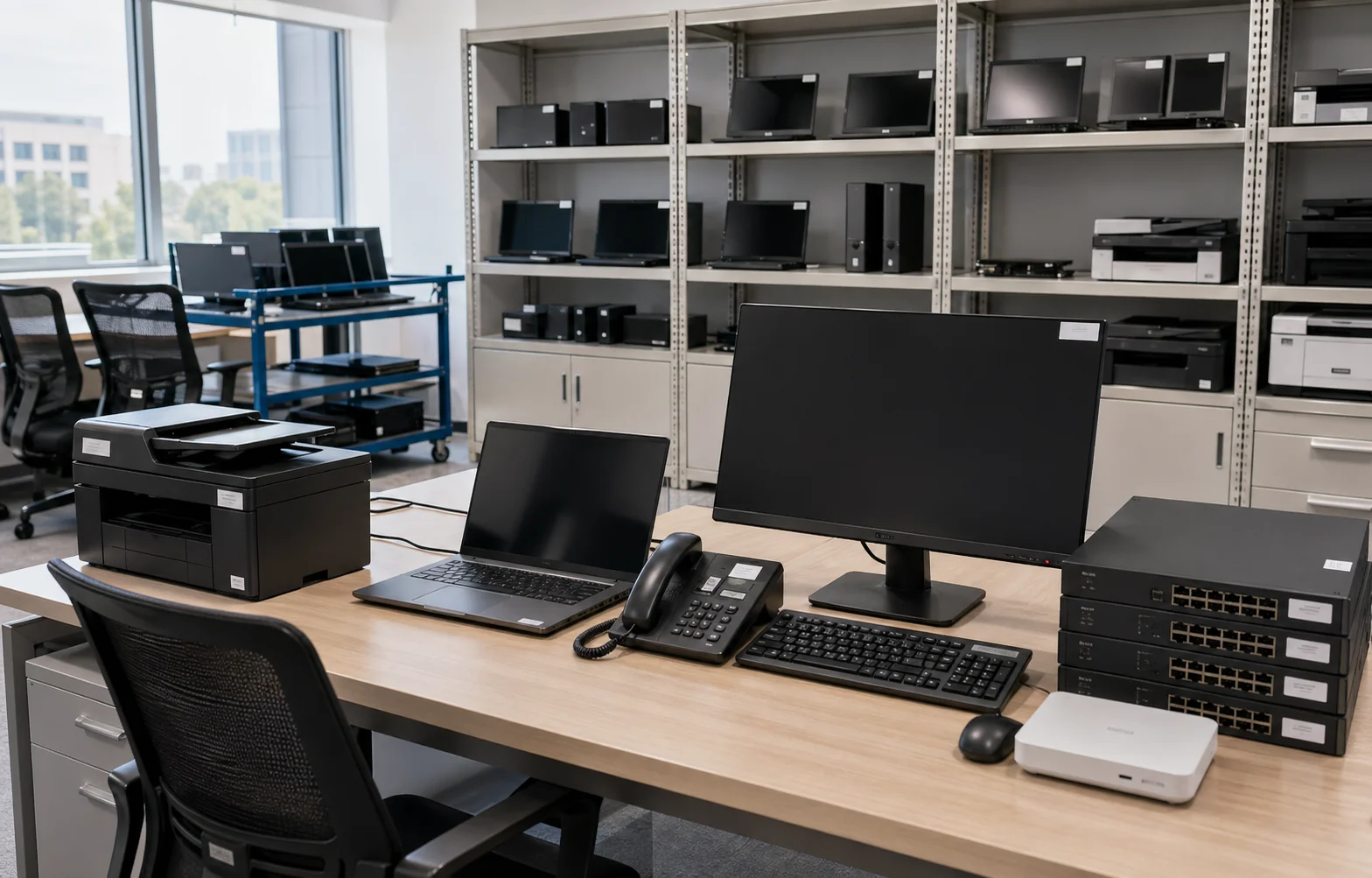
Support administration, IT, and campus offices with unified control over office equipment, IT devices, furniture, owners, warranty expiry, depreciation, transfer, and maintenance.
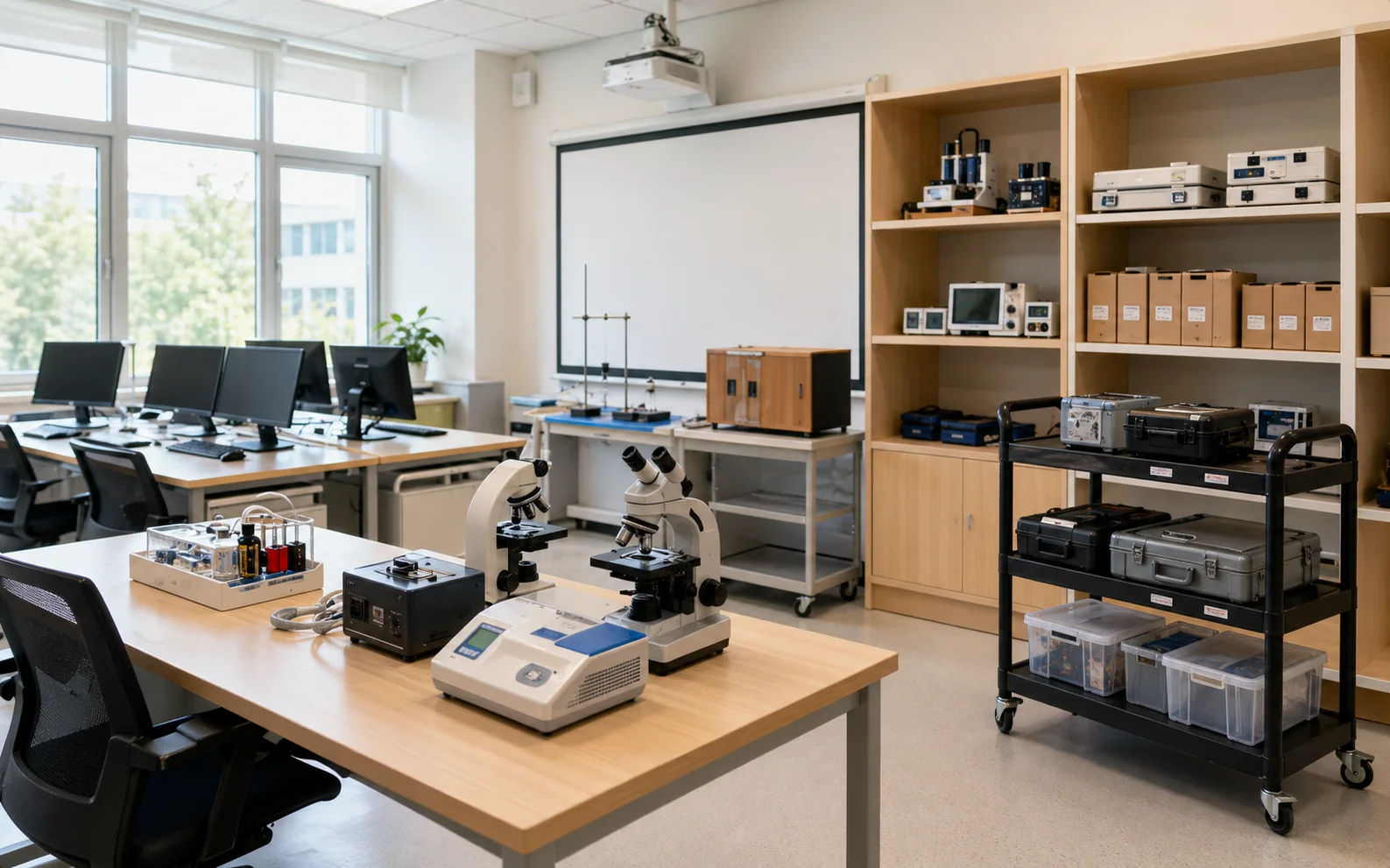
Build room-based asset records for classrooms, labs, computer rooms, libraries, and teaching equipment with RFID inventory, lending, transfer, and offline handheld workflows.

Manage room assets, public-area equipment, warehouse materials, and maintenance supplies through location nodes, inventory balance, and routine inspection workflows.
Quick Qualification
Check your operating profile before launching a pilot. If you match the first two categories, initial rollout is typically achievable in 2-4 weeks.
You already have clear governance goals and need measurable operational outcomes quickly.
Validate workflows and ROI in one department, then scale with confidence.
If your short-term goal is only a one-time inventory pass, a lighter setup may be enough.
Answers to key evaluation questions so teams can judge feasibility and ROI quickly.
Yes. During pilot, we support tag strategy, workflow setup, and onsite enablement so teams can operationalize quickly.